
“Let them eat cake!” – Marie Antoinette…supposedly
Being a history graduate and a lover of all things bake, it seems only natural to write a short slice of history.
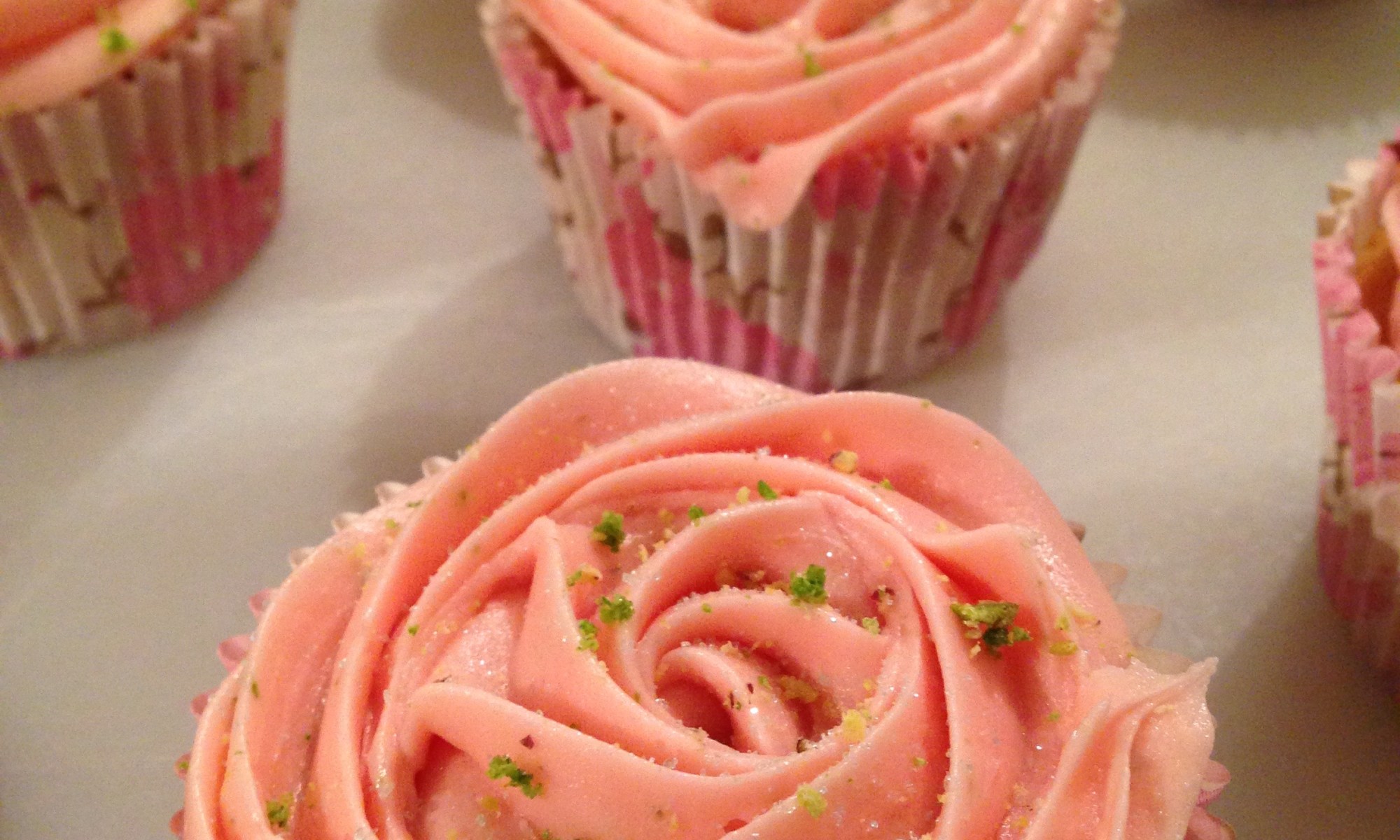
Over the weeke nd, as you can see, I whipped up a batch of cupcakes to test out my new Russian rose piping nozzle – which I must add did not disappoint and a post on that is very much in the pipeline!! But all these cupcakes got me thinking, where did they come from? Who decided to make tiny cakes? And how old are they!
The first appearance in print, or the earliest surviving example of such a bake was seems to be from 1796. A certain recipe in American Cookery, by one such Amelia Simmons, notes “a light cake to be baked in small cups.”
However, the earliest documentation of the actual term cupcake that we know and love today was not until 1828 in a copy of “Seventy-five Receipts for Pastry, Cakes, and Sweetmeats” by Eliza Leslie‘s.
There are two possible suggestions to where the name cupcake derives from:
In times gone by and long before the appearance of the Holy Grail that is the muffin-tin, cakes were often baked in individual moulds or little cups and following take their name from this baking process; they were quite literally cup cakes.
The other possible line of ancestry for the cupcake comes from a reference to a cake, whose ingredients were measured by volume using a standard-sized cup instead of being weighed. These recipes became known as 1234 cakes or quarter cakes, so called because they are made up of four ingredients: one cup of butter, two cups of sugar, three cups of flour, and four eggs. They were less rich and less expensive than the alternative pound cake, due to using about half as much butter and eggs compared to pound cake.
The names of these two major classes of cakes were intended to signal the method to the baker; cupcake uses a volume measurement, and poundcake uses a weight measurement.
It is however widely accepted that the first proposal is where the cupcake truly originates from due to conflicting dates with the later – but still a rather satisfying proposal so I thought to include nonetheless!
But why bake cakes in miniature in the first place?
Bigger is Not Always Better…Apparently
After doing some digging around it transpires that cupcakes, or cup cakes as they originally were labelled, arose out of complete practicality. Baking a smaller amount of batter in a smaller mould will take a smaller amount of time – obviously. The bigger the cake the longer it would take to cook – and in the ovens of those days this would often result in a burnt cake as temperature control simply dint exist!
A couple decades later in 1919, Hostess brand limelight and onto shop’s shelves. Homemade versions were popular children’s treats starting in the early 20th century thanks to their dainty fairy and kid-friendly size. These days, adults are the ones who are crazy for cupcakes, as it’s hard to open Instagram these days without someone posting something cupcake related – I here wholeheartedly accept some blame – but I can’t see many people complaining about cupcakes overarching presence.
So there you have it, a very short and very sweet history of the cupcake. Long may their reign last!
 A little Tasty